Structural Drying in Cherry Hills Village, CO
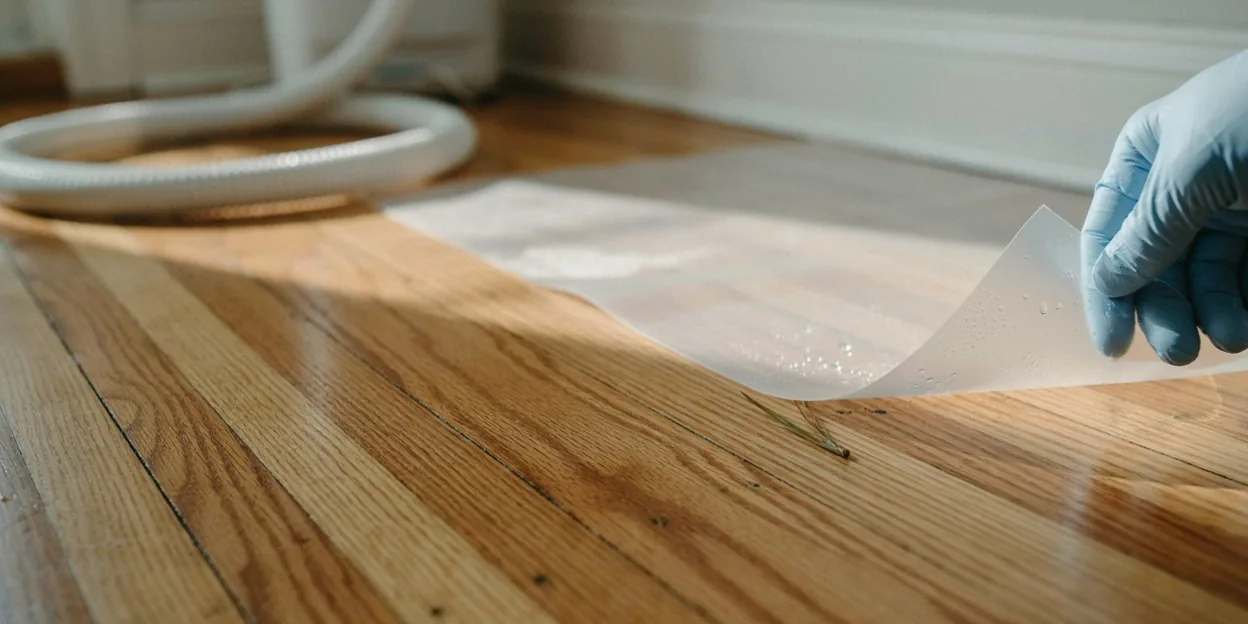
The plumber fixed the split, the standing water is gone, and the family room looks normal again. But the baseboards along the exterior wall are starting to swell, the oak in the hall has a ridge down every board, and the basement smells like a cellar every morning. The water you can see is gone; the water in the house is not. This site puts you through by phone to an independent local provider who dries wet structures in Cherry Hills Village and across Arapahoe County.
Reading the house before the equipment goes in
Drying starts with a map. The crew meters every wall, floor, and ceiling the water touched and compares each reading to a dry part of the house. In a 1950s ranch that means plaster over lath, which holds water differently from drywall. In a 1990s two-story it means drywall over fiberglass insulation, which holds it longer. Under hardwood they read the boards and the subfloor separately, because a floor can look dry on top and be soaked underneath.
Equipment placement follows the map, not the wet spot you noticed first. Air movers drive a steady current over wet plaster and wood so the water in them can leave. Dehumidifiers pull that moisture out of the air so it does not settle somewhere else in the house. In a closed-up basement in February, the dehumidifiers do most of the work.
Keep the doors closed and the thermostat where the crew set it
Once the equipment is running, leave it running. Turning it off overnight because it is loud adds days to the job. Keep the doors to the wet rooms closed so the dehumidifiers work on a small volume of air, and do not open windows in summer to speed it up; the outside air in July carries more moisture than the machines are trying to remove. Leave the thermostat where the crew set it, because drying speed depends on warmth. Photograph the equipment placement for your own file. Call if anything shuts off or a room starts to smell worse.
What the readings keep and what they send to the dumpster
Framing almost always dries in place if the equipment goes in within a few days. Plaster often does, and so does drywall that took water for a few hours rather than a few days. Solid hardwood that was extracted quickly can be dried from below with mats and often flattens back out. Subfloor dries once the air reaches it. Carpet pad, wet fiberglass insulation, and the bottom foot of drywall that stood in water usually come out, because they hold water against the framing and never dry to target.
Drying follows extraction, so a job that began with standing water on the oak started as water extraction. When the water came from a pipe that froze in a garage wall, the wall itself gets opened and dried as part of frozen pipe cleanup, and the equipment runs on both sides of it.
Why a mile of altitude helps and a finished basement fights back
Denver sits at about 5,280 feet, and Cherry Hills Village a little higher, in one of the driest climates of any large American city. Outside air in most months holds little moisture, and a wet main-floor room with the windows open in October will dry faster here than in Houston. That is the good news.
The bad news is the basement. A finished basement in a Cherry Hills house is below grade, closed up, cool, and surrounded on the canal side by soil that stays wet from spring to fall. Air down there does not move on its own, and a stone floor over a slab that is still damp underneath will read wet for weeks after it looks dry. So drying a basement here means dehumidifiers, sealed doors, and patience, while drying an upstairs bedroom after a hail leak in July may take two or three days.
Insurers pay for drying as part of a covered water loss, and the log the crew keeps, readings by day and room, is what the adjuster uses to see that the equipment ran as long as it needed to and no longer. This site cannot say whether your loss is covered. Ask the crew for the daily log.
Calling about a house that still feels damp
Say when the water came in and when it was extracted, which rooms still feel damp or smell, and what the floors and walls are made of. Mention a finished basement if the water reached it. Call (720) 807-5901.